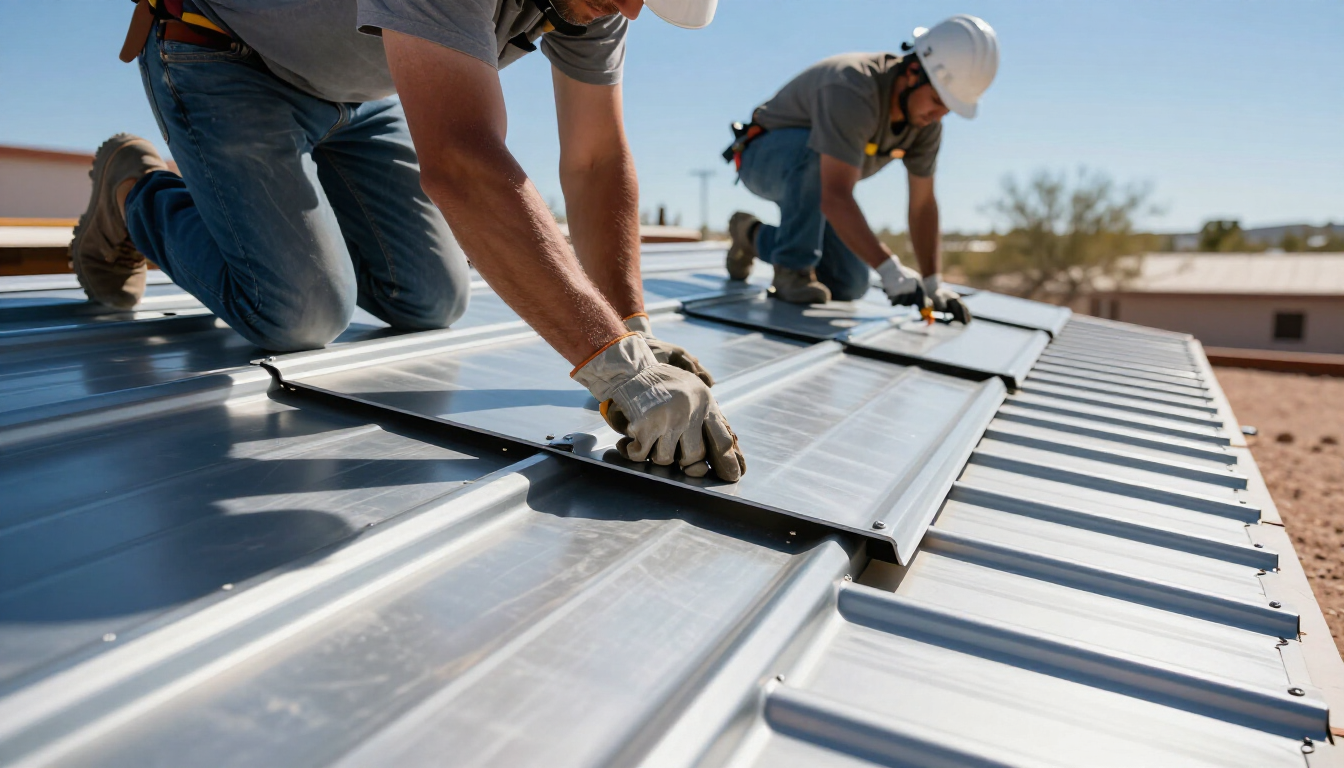
Asphalt vs Tile Roofs: Which is Best for Arizona?
Choosing between asphalt vs tile roofs in Arizona depends on your budget, structural capacity, and how long you plan to stay in your home. Tile offers superior lifespan (50+ years) and heat resistance, while asphalt shingles provide a more affordable, versatile solution that is easier to repair and maintain.
Which is better for Arizona: Asphalt vs Tile Roofs?
Living in the Quad Cities area—from the windy plains of Chino Valley to the high-desert landscapes of Prescott—means your roof faces some of the most intense weather in the country. We deal with extreme UV exposure, high-elevation temperature swings, and the annual intensity of the monsoon season. When it comes time for a roof replacement , the debate almost always centers on asphalt shingles versus tile.
Both materials have a strong foothold in the Arizona market, but they serve different needs. Asphalt shingles are the most common roofing material in North America because they are cost-effective and relatively quick to install. On the other hand, tile roofs (whether clay or concrete) are iconic in the Southwest, offering a classic aesthetic and incredible durability. Determining which is "better" isn't about one being inherently superior; it’s about which one fits your home's structure, your long-term financial goals, and your personal style.
In our region, the intense sun is the primary enemy of any roofing material. UV rays cause materials to become brittle over time. While modern asphalt shingles are engineered with advanced granules to reflect heat, tile naturally excels in thermal mass, keeping homes cooler during those 100-degree Prescott Valley afternoons. However, the initial investment for tile is significantly higher, leading many homeowners to weigh the immediate savings of asphalt against the long-term longevity of tile.
Key Pros and Cons of Asphalt Shingles
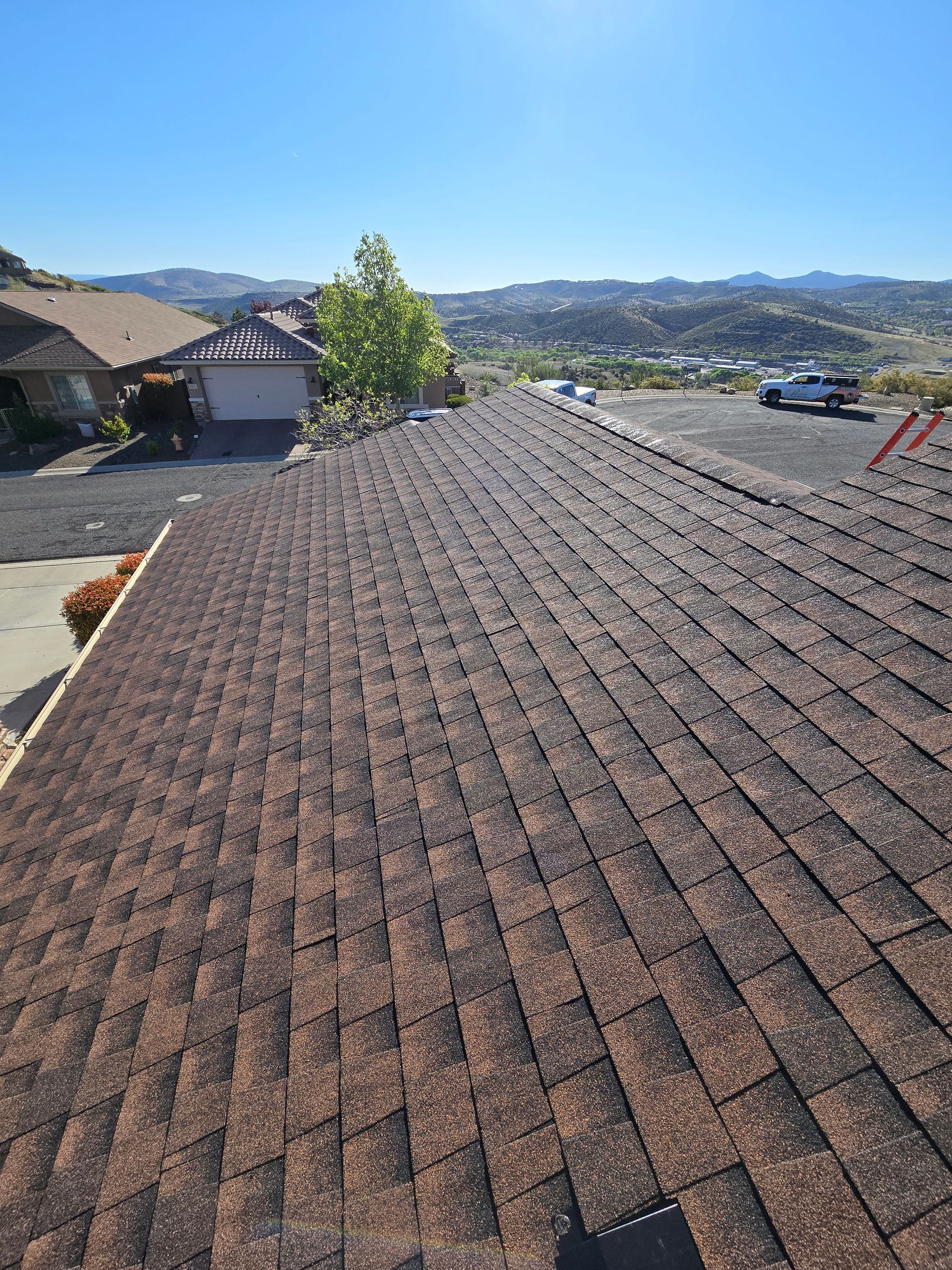
Asphalt shingles are the "workhorse" of the roofing industry. If you walk through any neighborhood in Dewey-Humboldt, you’ll see plenty of shingle roofs. They are popular for several reasons, but they also have specific limitations in our harsh climate. Understanding these pros and cons is essential before making a final decision.
The Pros of Asphalt Shingles:
- Affordability: This is the most significant advantage. Asphalt is generally the least expensive roofing material to install upfront.
- Ease of Installation: Most professional crews can complete an asphalt shingle installation in just a day or two, minimizing disruption to your life.
- Versatility: Shingles come in a vast array of colors and styles, including architectural shingles that can mimic the look of wood or slate.
- Easier Repairs: If a few shingles are damaged during a windstorm, a roof repair is straightforward and localized.
- Lightweight: Asphalt shingles do not require additional structural reinforcement for your home's framing.
The Cons of Asphalt Shingles:
- Shorter Lifespan: In the intense Arizona sun, asphalt shingles typically last 20 to 30 years, whereas tile can last twice as long.
- Heat Absorption: Darker shingles can absorb a significant amount of heat, potentially increasing cooling costs if the attic isn't properly ventilated.
- Wind Sensitivity: While modern shingles have high wind ratings, they are still more susceptible to lifting during severe monsoon gusts compared to heavy tile.
Why Choose a Tile Roof in Yavapai County?
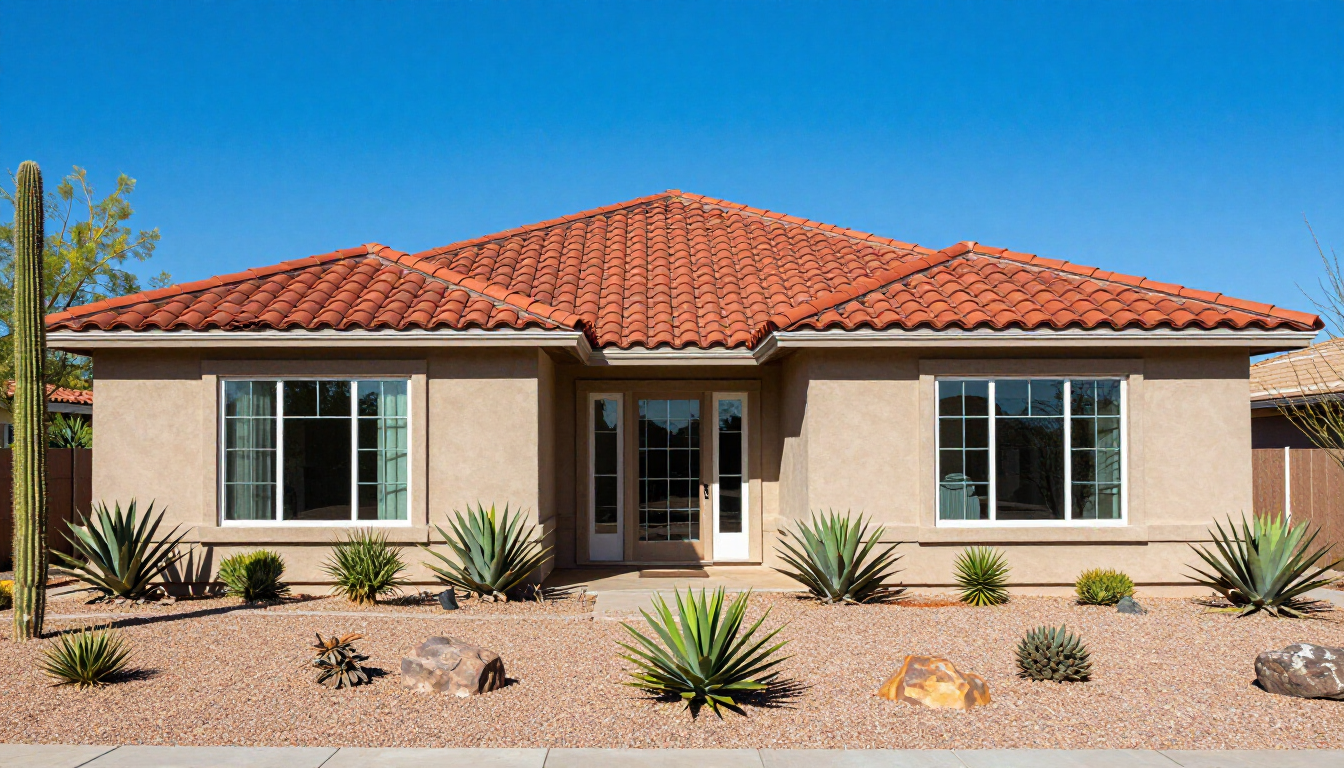
Tile roofs are often considered the gold standard for Southwestern architecture. Whether you prefer the rounded look of Spanish S-tiles or the flat profile of modern concrete tiles, they offer a level of curb appeal that is hard to match. In Yavapai County, many homeowners choose tile not just for the looks, but for the performance benefits in a high-desert environment.
One of the biggest reasons to go with tile is its incredible resistance to fire and insects. In areas prone to wildfires, having a non-combustible roof provides an extra layer of peace of mind. Additionally, tile roofs are excellent at insulating a home. Because of the way they are installed, there is often an air gap between the tile and the roof deck. This air gap acts as a natural thermal barrier, preventing the intense heat of the day from transferring directly into your living space. This can lead to noticeable savings on your energy bills during the summer months.
Furthermore, tile is incredibly heavy. While that weight poses a structural challenge, it is an asset during our monsoon storms. It takes a massive amount of wind force to dislodge a properly installed concrete or clay tile. For homeowners in more exposed areas of the Quad Cities where wind speeds can reach impressive levels, the stability of a tile roof is a major selling point. However, it is vital to remember that the underlying felt or synthetic underlayment is what actually keeps the water out; the tiles are the primary shield.
Structural Considerations for Tile Roofing
Before you get your heart set on a beautiful tile roof, you have to consider the weight. A standard asphalt shingle roof weighs roughly 200 to 400 pounds per "square" (a 100-square-foot area). In contrast, a concrete tile roof can weigh anywhere from 800 to 1,200 pounds per square. This is a massive difference that your home’s framing must be able to support.
If your home was originally built with an asphalt roof, you cannot simply switch to tile without a professional structural evaluation. Most standard residential frames are not built to handle the load of heavy tile. If you want to make the switch, you may need to invest in structural reinforcement, which can add thousands of dollars to the project cost. This is why many homeowners in Prescott who currently have shingles stick with shingles when it’s time for a replacement—it’s the most path-of-least-resistance option.
On the flip side, if your home currently has a tile roof, you are in a great position. You can either replace it with new tile or, if you’re looking to save money, switch to a lighter material like asphalt. However, most people who have tile choose to stay with tile because of the property value it maintains. If you're unsure about the state of your current structure, a professional roof inspection is the best way to determine your options safely.
How long do asphalt and tile roofs actually last?
When we talk about the lifespan of a roof in Arizona, we have to talk about the underlayment. For asphalt shingles, the shingles themselves are the primary waterproof barrier. In our climate, you can expect a high-quality architectural shingle roof to last 20 to 25 years. Lower-grade three-tab shingles might only last 15 to 18 years before the heat makes them too brittle to protect the home effectively.
Tile roofs are a bit more complex. The tiles themselves are virtually indestructible and can easily last 50 to 100 years. However, the underlayment beneath the tiles—the layer that actually prevents leaks—does not last that long. In the past, standard organic felt underlayment would fail after 20 years, requiring a process called a "tile lift and reset." This involves removing all the tiles, replacing the underlayment, and then putting the original tiles back on.
Modern synthetic underlayments have significantly extended this timeframe, but you should still expect to address your tile roof’s underlayment every 25 to 35 years. So, while the "roof" (the tiles) lasts a lifetime, the system still requires significant maintenance over the decades. When comparing longevity, tile still wins, but it’s not a "set it and forget it" solution for a century. Regular roof maintenance is required for both types to reach their maximum potential lifespan.
Maintenance Requirements for Each Material
Maintenance is where the two materials differ the most in terms of day-to-day care. Asphalt roofs are generally low-maintenance, but they are prone to certain types of damage that require a quick eye. Because shingles are lighter, they can blow off or tear during high winds. Homeowners should look for "bald spots" where granules have washed away, as this exposes the asphalt to UV rays and accelerates decay.
Maintenance tasks for asphalt roofs include:
- Checking for loose or missing shingles after major storms.
- Clearing debris from valleys to prevent water backup.
- Monitoring for curling or cracking edges.
- Ensuring gutters are clear so water doesn't back up under the bottom row.
- Scheduling an inspection every few years to check for nail pops.
Tile roofs require a different kind of vigilance. The most common issue with tile is cracking. Whether it's from a fallen branch, a heavy hailstorm, or someone walking on the roof incorrectly, a cracked tile can allow water to reach the underlayment. If left unaddressed, the UV rays will quickly rot the underlayment through that crack, leading to a leak inside the home.
Maintenance tasks for tile roofs include:
- Replacing any cracked or broken tiles immediately.
- Removing debris like pine needles or leaves from behind chimneys and in valleys.
- Checking for "slipped" tiles that have moved out of place.
- Ensuring the bird stops (the plugs at the end of the tiles) are intact to prevent nesting.
- Cleaning out the channels between tiles to ensure proper drainage.
Which material should you choose for your home?
Ultimately, the choice between asphalt and tile comes down to three factors: your budget, your home's structure, and your long-term plans. If you are looking for the most affordable way to get a high-quality, reliable roof on your home today, asphalt shingles are the way to go. They provide excellent protection and a clean look for a fraction of the cost of tile. This is often the best choice for families who might move in 5-10 years or for those who want to allocate their home improvement budget to other areas.
If you plan on living in your "forever home" and want a roof that will likely outlast your time in the house, tile is a fantastic investment. The energy efficiency benefits and the superior durability against the Arizona elements make it a standout choice for long-term value. While the upfront cost is higher, the amortized cost over 50 years often makes tile the more economical choice in the long run.
At True Roofing, we specialize in helping homeowners across the Quad Cities navigate these choices. We provide detailed reports and honest recommendations based on the specific needs of your property. Whether you need a small repair in Prescott Valley or a full replacement in Dewey-Humboldt, our team is here to ensure your home is protected with the best materials available.
Core Takeaways for Your Decision:
- Choose Asphalt if you want a budget-friendly, versatile, and easy-to-install option that doesn't require structural changes.
- Choose Tile if you want maximum longevity, high energy efficiency, and a classic Southwestern aesthetic for your long-term home.
- Structural Check: Always verify if your home can support the weight of tile before committing to the material.
- Underlayment Matters: Regardless of the material, the quality of the underlayment is the most critical factor for leak prevention in Arizona.
- Expert Advice: If you're still undecided, contact us for a professional assessment to see which material fits your roof's pitch and structure best.