How Long Does a Roof Last? (2026 Arizona Lifespan Guide)

March 16, 2026

Share this article

A standard residential roof typically lasts between 20 and 50 years , depending on the materials used and the local climate. In the Arizona Quad Cities, asphalt shingles usually last 15–25 years, while concrete tile and metal roofing can protect your home for 50 years or more with proper care.

How long does a roof on a house last in Arizona?

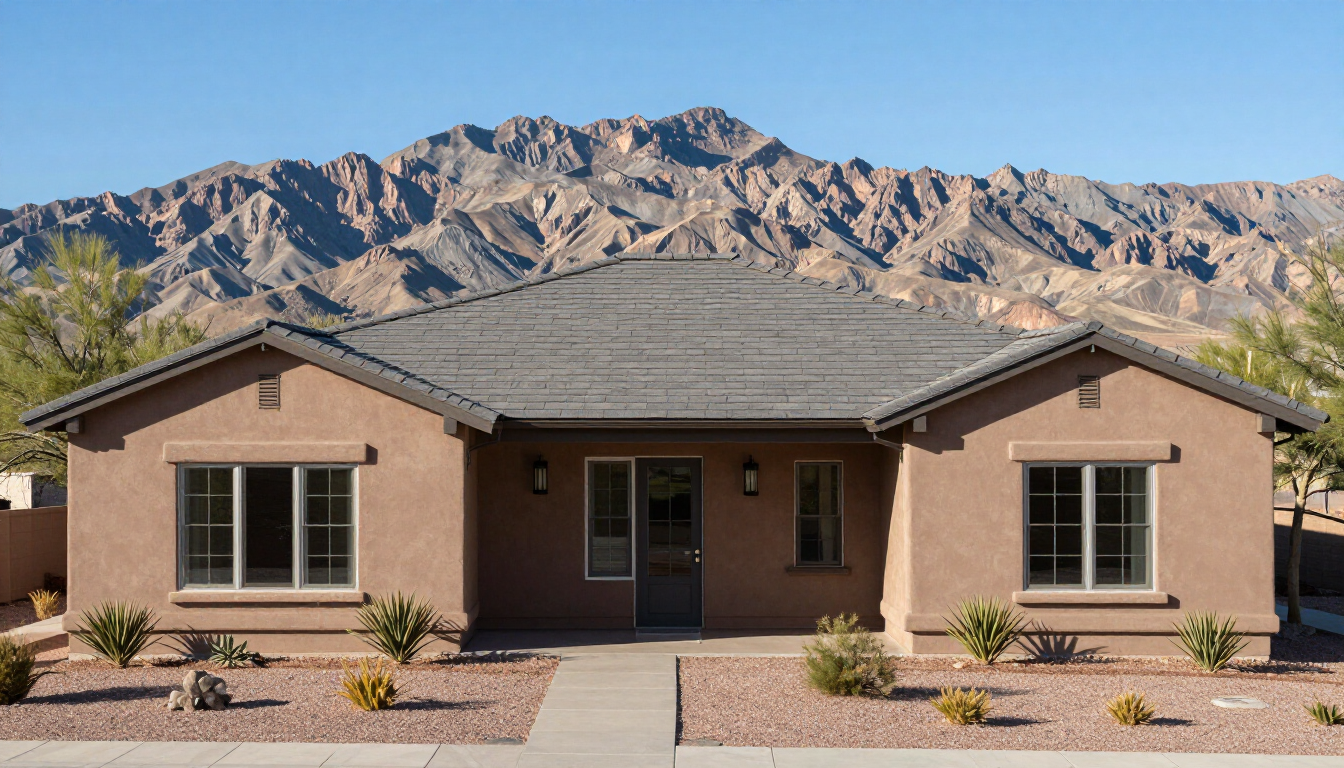
In Arizona, the lifespan of a roof is heavily dictated by the intense ultraviolet (UV) radiation and seasonal weather shifts. While national averages provide a general baseline, homeowners in Prescott, Chino Valley, and Prescott Valley must account for the high-altitude sun that can accelerate the degradation of organic materials. For most residents, an asphalt shingle roof will provide reliable service for about two decades. However, if that roof is not maintained or if it was installed with lower-grade materials, you might see issues as early as the 15-year mark.

Conversely, tile and metal systems are designed for longevity. A well-installed tile roof can technically last a lifetime, but the specialized felt or synthetic underlayment beneath the tiles often requires a roof replacement  every 20 to 30 years. This distinction is crucial because the surface material often outlives the waterproofing layer. Understanding these nuances helps you budget for long-term home maintenance and avoid unexpected leaks during the heavy monsoon rains that define our summers.

Primary Factors Affecting Your Roof's Total Lifespan

Several environmental and structural variables determine whether your roof reaches its maximum potential age. It is rarely a single event that ends a roof's life, but rather a combination of ongoing stressors. In the Quad Cities area, we look at several specific factors during our  roof inspections:

  • Material Quality: Premium architectural shingles last significantly longer than basic three-tab options.
  • Installation Precision: Poorly installed flashing or improper nailing patterns can lead to premature failure.
  • Ventilation: A roof that cannot "breathe" will trap heat in the attic, essentially cooking the shingles from the inside out.
  • Maintenance History: Regular cleaning and minor roof repairs to prevent small issues from becoming structural disasters.
  • Extreme Weather: Hail, high winds, and rapid temperature fluctuations cause materials to expand and contract, leading to cracks.
Roof Inspection

What are the lifespans of different roofing materials?

Choosing the right material is the most significant decision you will make regarding your home's exterior longevity. Each material has a distinct profile for durability and cost. In Chino Valley and the surrounding areas, we see a wide variety of choices that cater to different architectural styles and budgets.

Asphalt Shingles

Asphalt shingles are the most popular choice due to their affordability and versatility.

  • 3-Tab Shingles: 15–20 years.
  • Architectural (Dimensional) Shingles: 25–30 years.
  • Luxury/Premium Shingles: 30+ years. These materials are prone to granule loss over time, which exposes the underlying asphalt to UV damage. Once the granules are gone, the shingle becomes brittle and loses its waterproofing capabilities.

Tile Roofing

Tile is a staple of Southwestern architecture.

  • Concrete Tile: 50+ years.
  • Clay Tile: 100+ years. While the tiles themselves are incredibly durable, they are heavy and require a strong roof structure. The main concern with tile is the underlayment. Even if the tiles look perfect, the paper underneath may be disintegrating, requiring a "lift and reset" service where tiles are removed, new underlayment is installed, and the original tiles are put back.

Metal Roofing

Metal is increasingly popular for its fire resistance and energy efficiency.

  • Standing Seam Metal: 50–70 years.
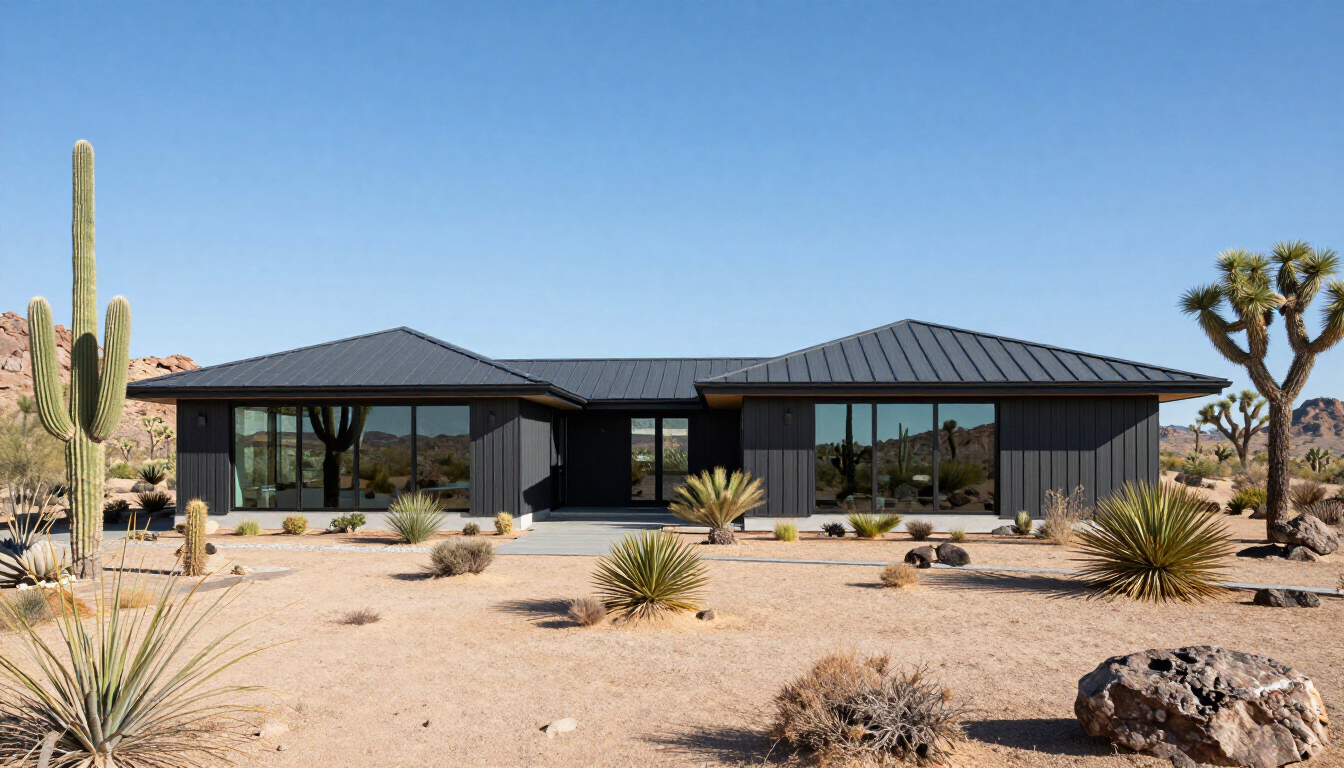
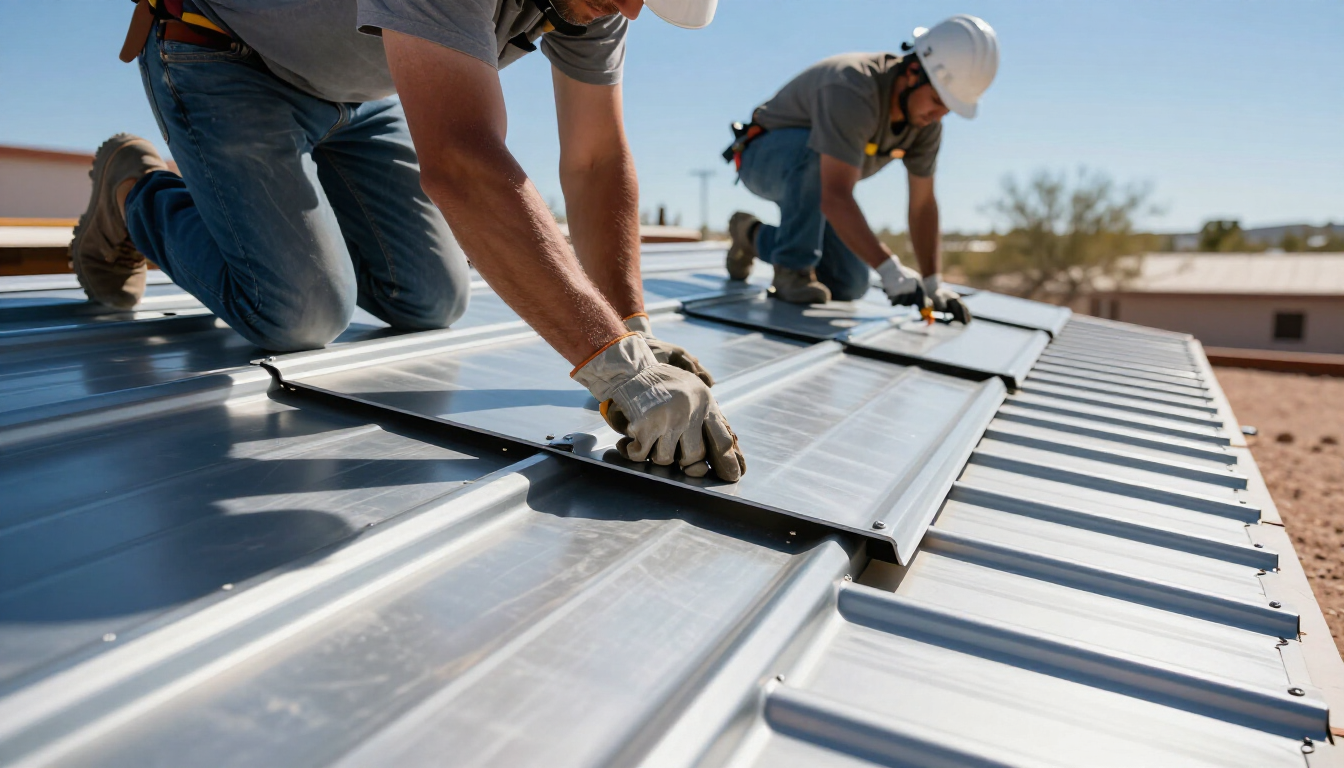
  • Metal Shingles/Tiles: 40–50 years. Metal roofs reflect solar heat, which can lower cooling costs in the summer. They are also virtually impervious to wind and fire, making them an excellent choice for homes in wooded areas of Prescott.

The Critical Role of Underlayment for Tile Roofs

Many homeowners are surprised to learn that their "50-year tile roof" is leaking after only 20 years. This is almost always due to underlayment failure. The underlayment is the true secondary water barrier. In our harsh climate, traditional organic felt underlayment can become brittle and crack. When rainwater gets driven under the tiles by high winds, the cracked underlayment allows moisture to reach the wood decking.

At True Roofing, we emphasize the use of high-quality synthetic underlayments or dual-layer systems to ensure the "guts" of your roof last as long as the tiles on top. Investing in superior underlayment during a  roof replacement  is the single best way to extend the service life of a tile system. This is a key part of our commitment to providing honest recommendations based on the unique needs of Arizona properties.

How do Arizona monsoons and UV rays damage roofs?

The Arizona climate presents two primary enemies to roofing longevity: the sun and the monsoon. The sun is a constant force. UV rays break down the chemical bonds in roofing materials, leading to "thermal shock." This is the process where a roof reaches 150 degrees Fahrenheit during the day and cools rapidly at night. This constant expansion and contraction causes materials to fatigue, shingles to curl, and sealant to fail.

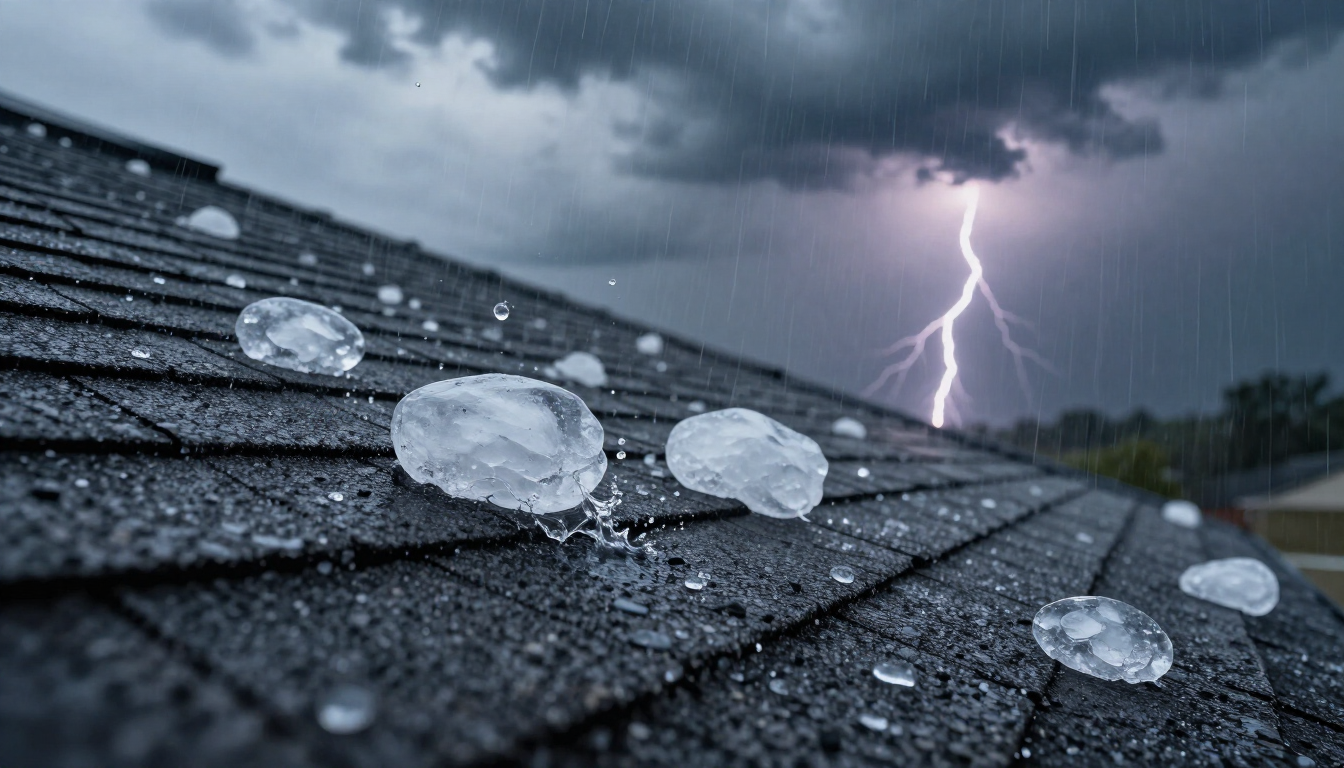
Monsoons introduce a different set of challenges. Heavy downpours, microbursts, and frequent lightning can cause physical damage in an instant. High winds can lift shingles or tiles, allowing water to penetrate areas that are usually protected. If your home has overhanging trees, monsoons can also blow debris onto the roof, which traps moisture and accelerates rot. This is why regular  roof maintenance  is essential after the summer storm season ends.

Common Signs Your Roof is Reaching the End of Its Life

Knowing when to transition from simple repairs to a full replacement can save you thousands of dollars in interior water damage. You don't always need to climb a ladder to see the signs of an aging roof. Here is what to look for from the ground or inside your home:

  • Curled or Buckled Shingle Edges: This indicates the shingles are no longer shedding water effectively.
  • Granules in the Gutters: Finding "sand" in your downspouts is a clear sign that the protective coating is washing away.
  • Cracked or Missing Tiles: Even one broken tile can leave the underlayment vulnerable to UV damage.
  • Dark Spots or Algae: This can indicate moisture retention and potential rot in the decking.
  • Water Stains on Ceilings: If you see brown spots on your ceiling, your roof has already failed in that area.
Damaged Roof

If you notice any of these signs, it is time to contact a professional. Our team at True Roofing provides detailed inspection reports so you can make an informed decision about the health of your home. You can learn more about us and our commitment to the Quad Cities area on our dedicated page.

When should I schedule a roof inspection?

Professional roofing contractors generally recommend a thorough inspection at least once a year, preferably before the monsoon season begins in June. However, you should also schedule an inspection immediately following any major weather event involving hail or wind speeds exceeding 50 mph. Early detection of a small leak or a few loose shingles can extend your roof's life by years, preventing the need for premature replacement.

For older roofs (those over 15 years old), bi-annual inspections are wiser. During these visits, we check the integrity of the flashing around chimneys and vents, look for blocked drainage paths, and ensure that attic ventilation is still functioning correctly. Proactive  roof inspections  are the most cost-effective tool in a homeowner's arsenal for protecting their investment.

Summary: Maximizing Your Roof’s Life in the Quad Cities

To ensure your roof lasts as long as possible, you must balance material choice with consistent care. While the average lifespan ranges from 20 to 50 years, the actual performance depends on your commitment to maintenance and the quality of the initial installation. By choosing a local, licensed contractor like True Roofing, you ensure that your home is equipped to handle the specific environmental demands of Chino Valley and Prescott.

Key Takeaways for Homeowners:

  • Choose the right material: Match your budget to the expected lifespan (e.g., tile for 50+ years, architectural shingles for 25+).
  • Focus on underlayment: Ensure high-quality barriers are used, especially for tile and metal systems.
  • Inspect annually: Catch minor issues before they become major leaks.
  • Maintain ventilation: Protect your shingles from the heat of the Arizona sun by ensuring proper airflow.
  • Work with professionals: Rely on a BBB Accredited team for honest, detailed reports.

Ready to find out exactly how much life is left in your roof?  Contact us  today to schedule a comprehensive evaluation or visit our  blog  for more tips on protecting your Arizona home.

Recent Posts

Comparison of asphalt shingles and terracotta roof tiles for Arizona homes
March 16, 2026
Compare asphalt shingles and tile roofs for your Arizona home. Learn about cost, durability, and energy efficiency in the Prescott and Chino Valley areas.