How Does Hail Affect Your Roof? (5 Ways to Protect It)
Hail affects your roof by causing hail roof damage through high-velocity impact that bruises shingles, displaces protective granules, and cracks tiles. This compromise leads to water infiltration, UV degradation, and a significantly shortened lifespan, making a professional post-storm inspection essential to prevent costly long-term structural repairs.
How does hail damage a roof?
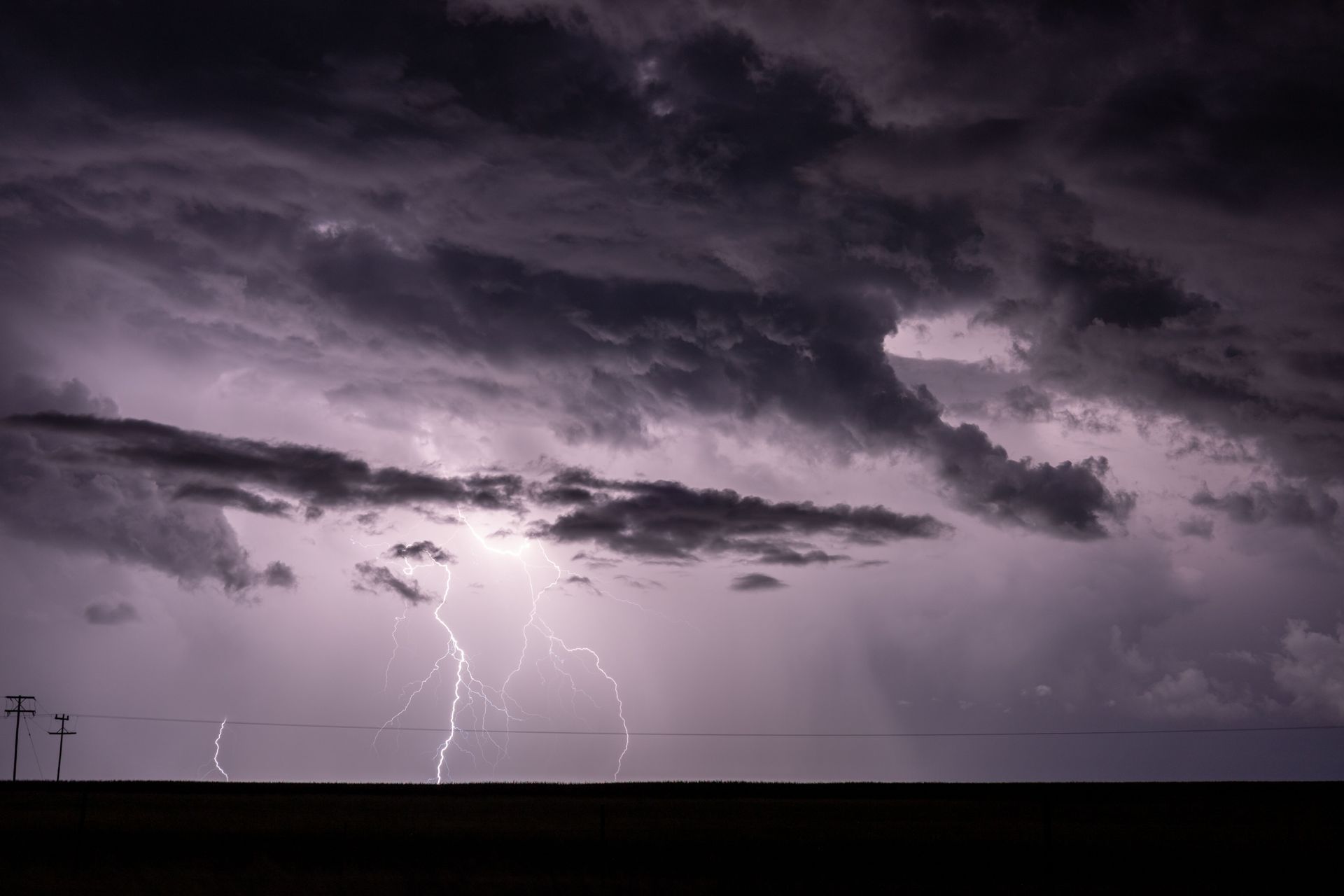
When a hail storm rolls through Chino Valley or Prescott, it’s not just the noise on your windows that you should worry about. Hailstones are essentially icy projectiles falling at terminal velocity. The kinetic energy behind these stones can vary wildly based on their size, the wind speed, and the angle of the roof. Even small stones can cause significant issues if the wind is driving them directly into your shingles.
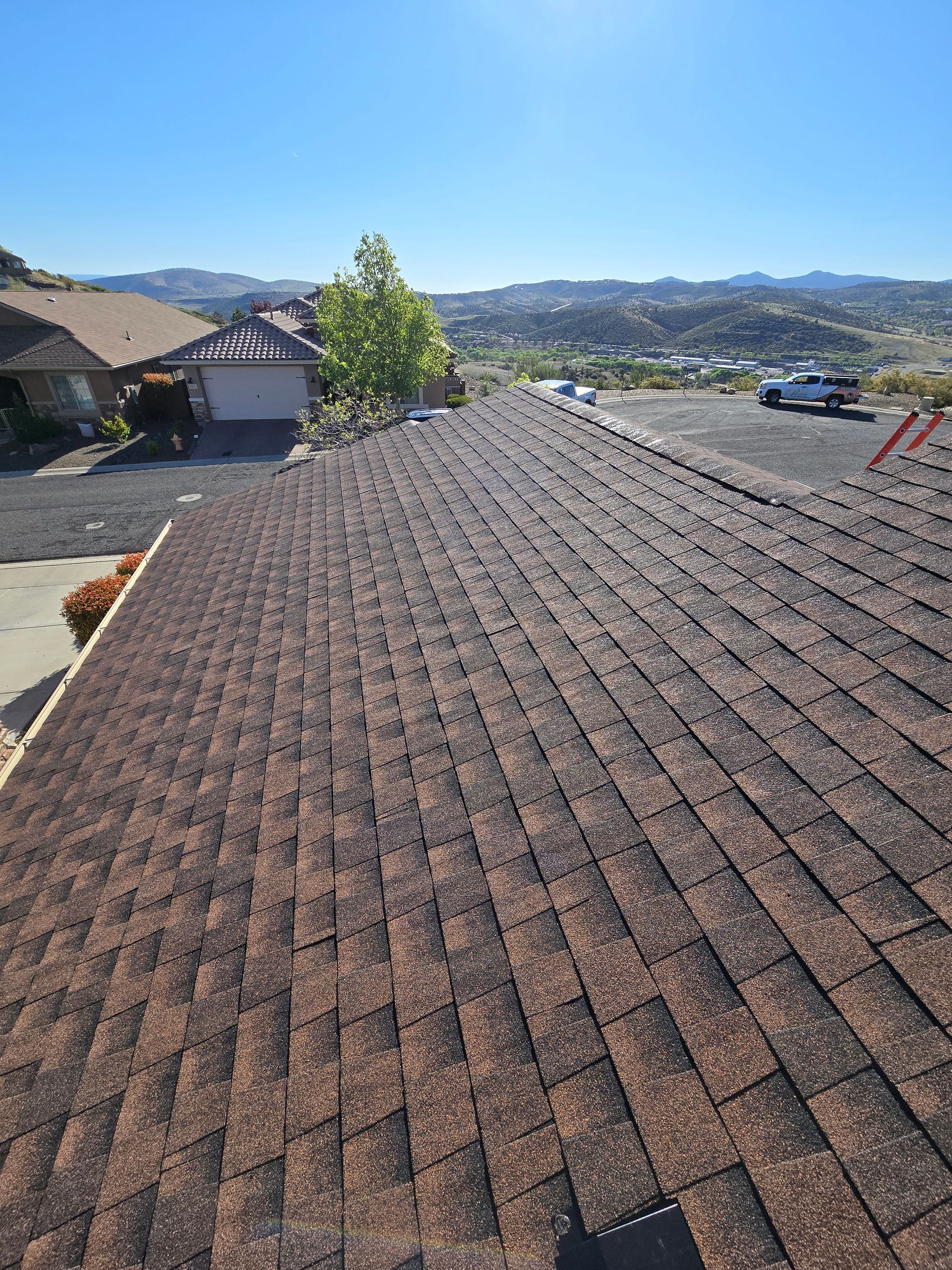
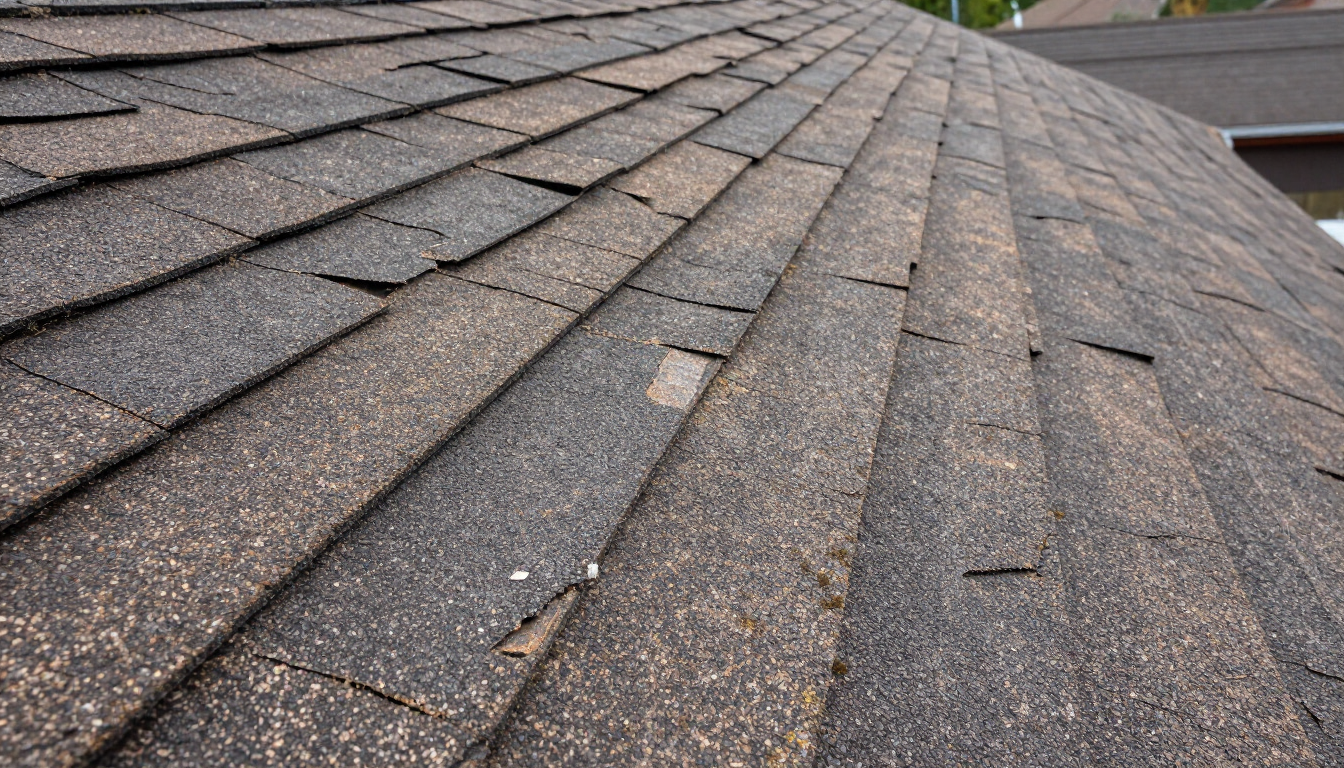
When hail hits an asphalt shingle, it creates a localized impact zone. This impact can crush the fiberglass mat inside the shingle, a condition roofers call "bruising." While you might not see a hole, the structural integrity of that spot is gone. Over time, the expanding and contracting of the roof due to Arizona’s intense sun will cause that bruised spot to fail completely, leading to leaks that you won't notice until the next monsoon season.
What are the common signs of hail roof damage?
Identifying damage from the ground is notoriously difficult, but there are certain indicators that suggest your roof took a beating. Many homeowners assume that if they don't see missing shingles, everything is fine. Unfortunately, the most dangerous damage is often the most subtle.
Here are the primary signs of hail impact:
- Granule Loss: Large amounts of sand-like granules piling up at the bottom of your downspouts.
- Shingle Bruising: Soft, dark spots on the shingles that feel spongy to the touch.
- Cracked or Broken Tiles: For those with tile roofs, hail can cause star-shaped fractures or clean breaks.
- Dented Metalwork: Dents in your chimney flashing, roof vents, or gutters are a sure sign the hail was large enough to damage shingles.
- Circular Cracks: Often called "moons," these are circular fractures in the shingle surface.
If you notice any of these signs, it is time to look into Roof Repair to ensure the damage doesn't spread. Even if the damage seems minor, the loss of those protective granules exposes the underlying asphalt to the sun, which accelerates the aging process rapidly.
Why is granule loss a major problem?
Asphalt shingles are designed with a layer of ceramic-coated granules for a very specific reason: UV protection. In the Quad Cities area, our roofs are subject to some of the most intense solar radiation in the country. Without those granules, the sun’s rays beat directly on the bitumen (the oil-based asphalt), drying it out and making it brittle.
Once the asphalt becomes brittle, it cracks and loses its ability to shed water. A roof that might have lasted another ten years can be reduced to a five-year lifespan after a single heavy hail event. This is why Roof Maintenance is so critical; catching granule loss early allows for targeted repairs rather than a full replacement.
Does roof age affect hail resistance?
Yes, the age of your roof plays a massive role in how it handles a storm. As roofs age, they naturally lose flexibility. A brand-new shingle has a certain amount of "give" that can absorb the energy of a hailstone. However, an older roof that has been baked by the Arizona sun for a decade or more is much more brittle.
When a hailstone hits an old shingle, it doesn’t just bruise; it often shatters or creates deep craters. This is why we often see older roofs requiring a full Roof Replacement after a storm that newer roofs survived with only minor scuffs. If your roof is over 15 years old, a hail storm is often the final straw that necessitates a new installation.
Why you need a professional roof inspection after hail
Many homeowners wait for a leak to appear before calling a contractor. By the time a leak is visible inside your home, the damage has usually been there for months, potentially leading to mold growth and wood rot in your attic. A professional Roof Inspection is the only way to get a definitive answer on the state of your home's protection.
Professional inspectors from True Roofing look for more than just surface-level dents. We check the flashing, the underlying mat, and the seals around your vents. We provide detailed reports that you can use for your own records or when dealing with insurance companies. Because hail damage is often covered by homeowners' insurance, having a professional assessment is your first step in ensuring your claim is handled fairly.
Understanding the long-term risks of ignoring hail
Ignoring hail damage is a gamble where the house usually loses. While the roof might look "okay" from the driveway, the microscopic fractures created by hail allow moisture to seep into the roof deck. Over a period of 6 to 24 months, this moisture causes the wood to swell and eventually rot.
Furthermore, damaged roofs lose their energy efficiency. When shingles are compromised, they don't reflect heat as effectively, which can lead to higher cooling costs during our hot Arizona summers. Addressing the issue immediately after a storm is always more cost-effective than waiting for a structural failure.
Summary of Hail Impact Takeaways
Hail damage is often an invisible threat that requires a proactive approach to protect your property investment. Whether you are in Chino Valley or Dewey-Humboldt, the following points are essential for every homeowner to remember:
- Immediate Action: Always schedule an inspection after any hail larger than 0.75 inches.
- Hidden Damage: Bruising and internal mat fractures are not visible from the ground but lead to leaks.
- UV Exposure: Granule loss is the most common result of hail and leads to rapid roof aging.
- Insurance Timelines: Most insurance policies have a window for filing hail claims; don't wait.
- Professional Expertise: Only a licensed contractor can accurately distinguish between wear-and-tear and storm damage.
If you’ve recently experienced a storm, don't leave your home's safety to chance. Contact us today at True Roofing for a comprehensive inspection and honest recommendations to keep your roof in top shape for years to come.