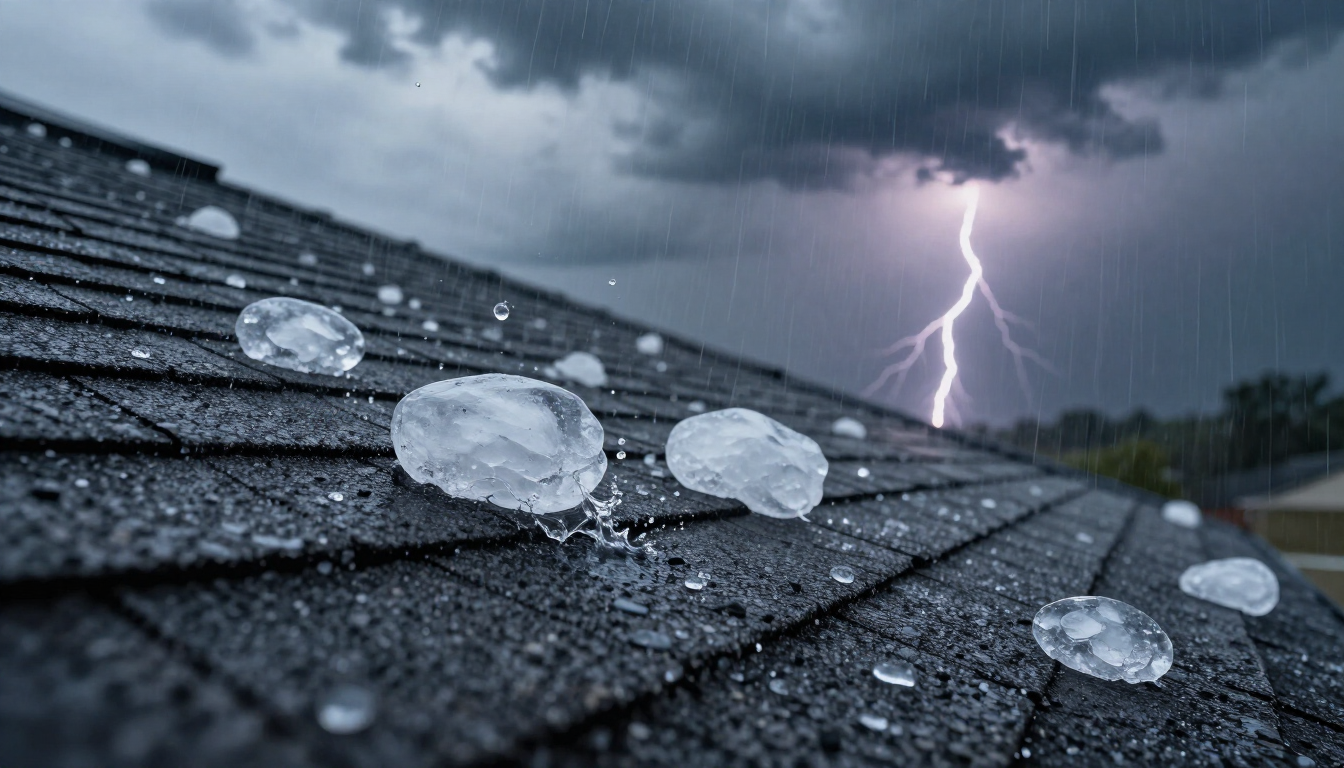
A leaking roof is one of the most frustrating problems a homeowner can face. Sometimes the source is obvious, such as a missing shingle after a storm. In other cases, water may travel through several layers of the roofing system before appearing as a stain on the ceiling.
Understanding how a roof is built, what commonly causes leaks, and how roofing professionals locate and repair them can help homeowners respond before a small issue leads to damaged insulation, rotten wood, mold growth, or interior repairs.
Understanding the Layers of a Roofing System
A roof is more than the shingles or tiles visible from the ground. It is a complete system made up of several layers that work together to keep water out.
The structural base is the roof decking, which is usually made from plywood or oriented strand board. The decking supports the rest of the roofing materials. If moisture reaches this layer for an extended period, the wood can soften, rot, or lose its ability to hold roofing fasteners.
Above the decking is the underlayment. This water-resistant barrier provides additional protection beneath shingles, metal panels, or roof tiles. Underlayment is especially important when wind-driven rain gets underneath the roof’s outer surface.
The visible roofing material forms the primary layer of protection. Depending on the home, this may include asphalt shingles, concrete or clay tiles, metal roofing, or another material.
Roofs also contain flashing around chimneys, skylights, vents, valleys, walls, and other transitions. Flashing directs water away from openings and vulnerable joints. Drip edge, sealants, fasteners, ventilation components, and drainage systems also play important roles.
A failure in any one of these areas may allow water to enter the roofing system.
Damaged or Missing Roofing Materials
Broken, cracked, curled, loose, or missing roofing materials are among the most common causes of roof leaks.
Asphalt shingles can lose granules and become brittle as they age. Strong winds may lift shingles or remove them completely. Roof tiles can crack due to weather, foot traffic, falling branches, or impact damage.
A broken tile does not always lead to an immediate interior leak because the underlayment may continue to provide protection. However, once that underlayment deteriorates, water can reach the decking and interior of the home.
Worn or Improperly Installed Flashing
Many roof leaks begin around flashing rather than in the middle of an open roof surface. Flashing is installed wherever the roof meets another structure or contains an opening.
Common trouble spots include chimneys, skylights, plumbing vents, roof-to-wall intersections, valleys, and HVAC equipment. Flashing may rust, separate, shift, crack, or pull away from surrounding materials. Sealant around flashing can also dry out and fail over time.
Incorrect installation can create problems even on a relatively new roof. Water must be directed over each roofing layer in the proper order. Flashing that is placed incorrectly may channel water underneath the roofing material instead of away from it.
Cracked Pipe Boots and Roof Vents
Plumbing pipes and ventilation components create openings in the roof that must be sealed carefully.
A rubber pipe boot may crack, split, or deteriorate after years of exposure to sunlight and temperature changes. Metal vent components can corrode, while fasteners and sealants may loosen.
Leaks around vents often appear as stains near bathrooms, kitchens, utility rooms, or attic penetrations. Replacing the damaged boot, resealing the area, or reinstalling the flashing may correct the problem.
Clogged Gutters and Poor Drainage
Gutters and downspouts are designed to move water away from the roof and foundation. When they become clogged with leaves, pine needles, dirt, or roofing debris, water may back up beneath the edge of the roof.
Standing water can damage fascia boards, roof decking, soffits, and underlayment. Debris may also collect in roof valleys or on low-slope sections, preventing water from draining efficiently.
Regular gutter cleaning and removal of roof debris can reduce the risk of drainage-related leaks.
Aging Underlayment and Sealants
Roofing materials do not last forever. Even when shingles or tiles appear acceptable from the ground, the underlayment beneath them may be approaching the end of its useful life.
Arizona roofs are exposed to intense sunlight, heat, wind, monsoon storms, and major temperature changes. Over time, underlayment can become brittle, torn, or deteriorated. Sealants around penetrations and flashing may also shrink or crack.
In these situations, replacing one tile or applying additional caulk may not address the underlying problem. A roofing inspection can determine whether a localized repair is appropriate or whether a larger section needs attention.
How Roof Leaks Are Fixed
The correct repair depends on the source and extent of the leak. A roofing professional may replace missing shingles, remove and replace broken tiles, install new flashing, replace a pipe boot, reseal a roof penetration, or repair damaged underlayment.
If water has reached the roof decking, the affected wood may need to be removed and replaced. Wet insulation and damaged interior materials may also require attention.
Leaks should be investigated as soon as possible, even when the interior stain appears small. Water can travel along rafters, decking, pipes, and insulation, so the visible damage may be several feet away from the actual entry point.
True Roofing can
inspect your roof, identify vulnerable areas, and recommend an appropriate repair based on the condition of the roofing system. Addressing leaks early can help limit damage and protect the home from more extensive repairs.