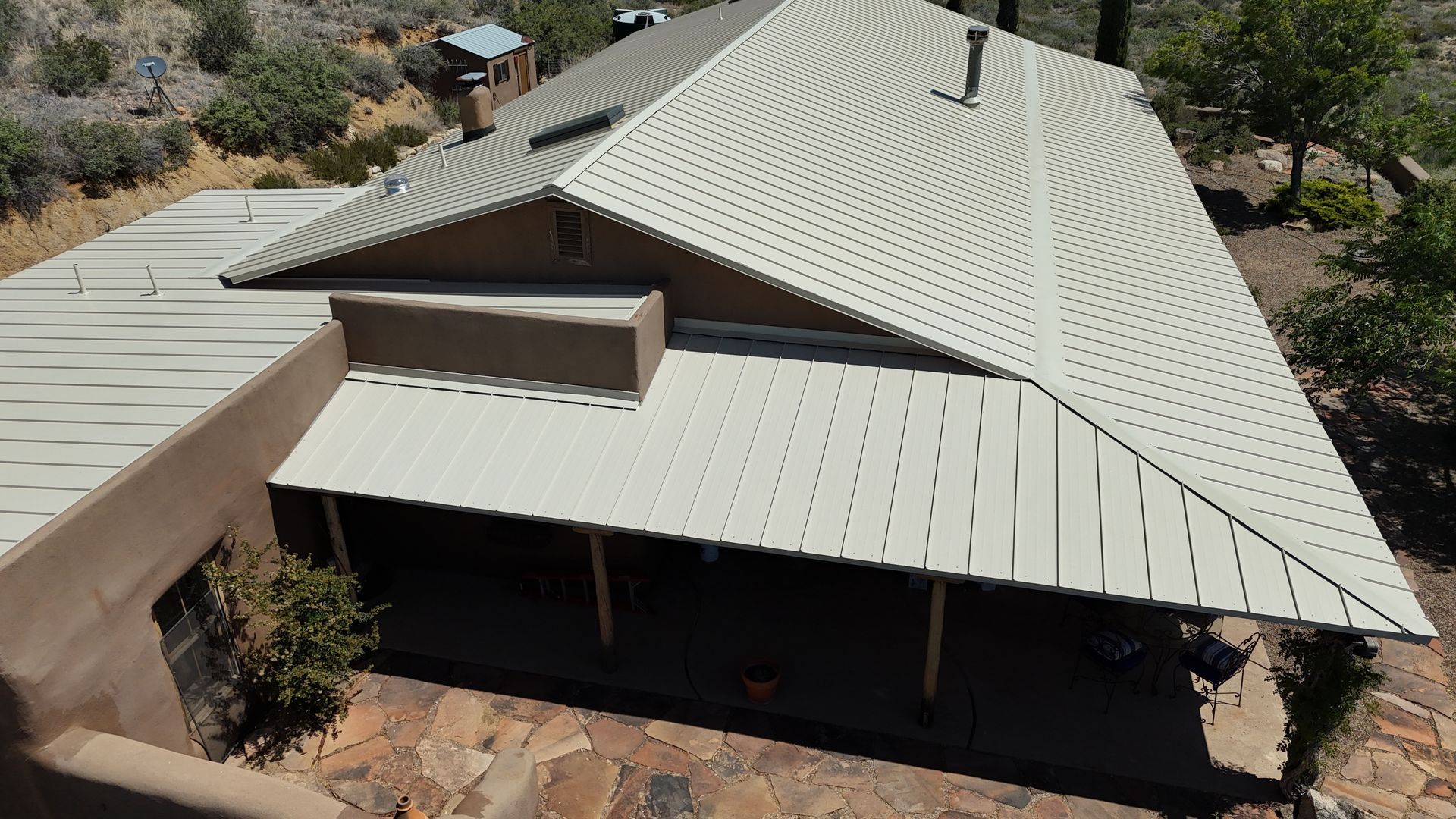
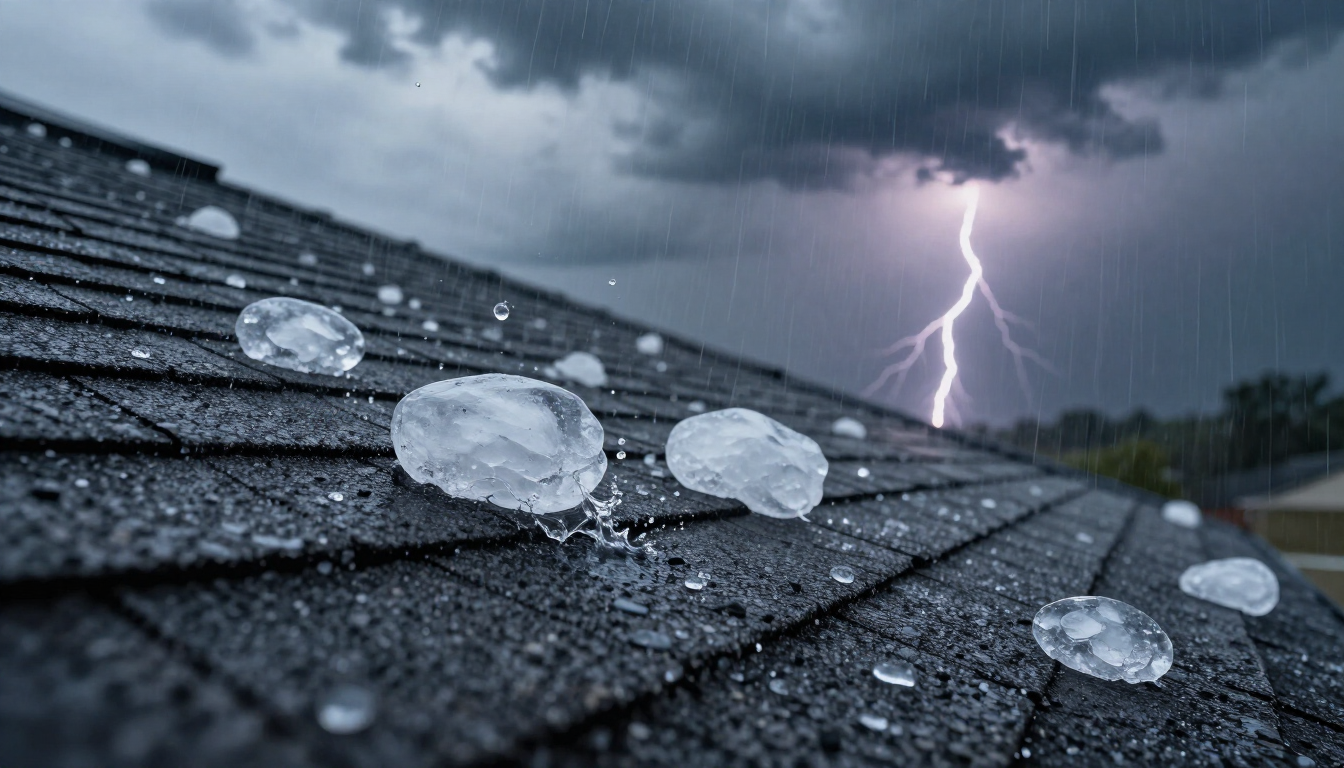
If you've lived in Arizona for any length of time, you know that monsoon season can bring some of the most intense weather of the year. Powerful wind gusts, heavy rain, dust storms, and even hail can put significant stress on your home's roofing system. While many homeowners don't think about their roof until they notice a leak, waiting until damage appears can lead to costly repairs and extensive water damage.
One of the smartest things you can do as a homeowner is schedule a professional roof inspection before monsoon season arrives. A thorough inspection can identify small issues before they become major problems, helping protect your home, belongings, and wallet.
Why Monsoon Season Is Tough on Roofs
Arizona roofs endure harsh conditions year-round. Constant UV exposure, extreme summer temperatures, and dramatic temperature swings all contribute to roofing wear and tear. By the time monsoon season arrives, many roofs have already spent months baking in the desert sun.
When heavy rains and strong winds hit, existing weaknesses can quickly turn into serious problems. Missing shingles, cracked tiles, deteriorated flashing, clogged drainage systems, and aging underlayment may not be obvious from the ground, but they can allow water to penetrate your roofing system when storms arrive.
Even a small opening can allow water into your attic or walls, where damage can continue long before you notice a stain on the ceiling.
What a Pre-Monsoon Roof Inspection Can Find
A
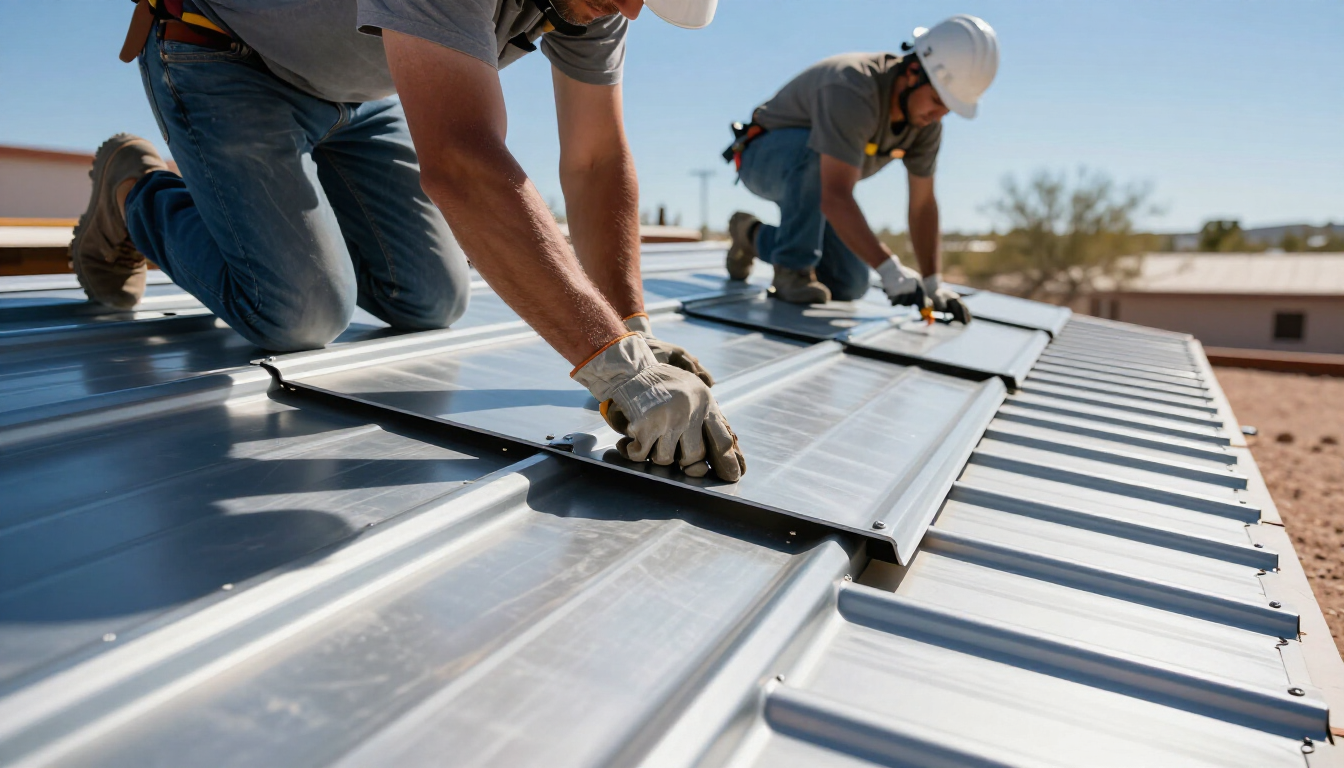
professional roofing inspection is designed to identify vulnerabilities before severe weather exposes them. During an inspection, a roofing contractor may evaluate:
- Broken, cracked, or displaced roof tiles
- Missing or damaged shingles
- Worn or deteriorated underlayment
- Flashing around chimneys, vents, and skylights
- Roof penetrations and seals
- Areas showing signs of previous repairs
- Soft spots or structural concerns
- Gutters, scuppers, and drainage systems
- Debris buildup that could trap water
Many roofing issues develop gradually and remain unnoticed until a major storm reveals them. Finding and addressing these concerns early is almost always less expensive than repairing water damage after the fact.
The Cost of an Unnoticed Leak
One of the biggest dangers of roof damage is that leaks often start small. Water may enter through a tiny opening and travel through insulation, framing, and drywall before becoming visible inside your home.
By the time you see water stains, bubbling paint, or sagging drywall, the damage may already be extensive.
An unnoticed roof leak can lead to:
- Damaged insulation
- Mold and mildew growth
- Rotting wood framing
- Ceiling and drywall damage
- Electrical hazards
- Flooring damage
- Expensive interior repairs
In many cases, homeowners spend far more repairing interior damage than they would have spent fixing the roof issue that caused it.
Older Roofs Need Extra Attention
If your roof is approaching the end of its expected lifespan,
inspections
become even more important.
Older roofing materials naturally deteriorate over time. Tile roofs may have aging underlayment, shingle roofs may begin losing granules and flexibility, and flashing materials can weaken after years of exposure to the elements.
For older roofs, it's often a good idea to schedule inspections both before and after monsoon season.
A pre-monsoon inspection helps identify and repair vulnerabilities before storms arrive. A post-monsoon inspection allows a professional roofer to assess any damage caused by wind, rain, or debris that may not be immediately visible.
This proactive approach can prevent a small issue from becoming a major leak that threatens your home's structure and interior finishes.
Don't Assume No Leak Means No Damage
Many homeowners believe their roof is fine because they haven't noticed any leaks. Unfortunately, roof damage doesn't always announce itself right away.
High winds can loosen tiles or shingles without causing an immediate leak. Hail can create damage that worsens over time. Storm debris can impact vulnerable areas of the roof and create hidden weaknesses.
An inspection provides peace of mind by confirming whether your roof is ready for another season of Arizona weather.
When Should You Schedule an Inspection?
Ideally, homeowners should schedule a
roof inspection in late spring or early summer before monsoon storms begin developing.
This gives you time to address any necessary
repairs before severe weather arrives. Roofing contractors are often busiest after major storms, so identifying issues beforehand can help you avoid emergency repairs and longer wait times.
If your roof is older, has experienced previous storm damage, or hasn't been inspected in several years, scheduling an inspection sooner rather than later is a wise investment.
Protect Your Home Before the Storms Arrive
Your roof is your home's first line of defense against Arizona's intense monsoon weather. A professional inspection can uncover hidden problems, extend the life of your roof, and help prevent costly interior damage.
At True Roofing, we help homeowners identify roofing concerns before they turn into major repairs. Whether your roof is relatively new or has protected your home for decades, a pre-monsoon inspection can provide valuable peace of mind and help ensure your home stays dry when the storms roll in.
Don't wait for a leak to tell you there's a problem. A simple roof inspection today could save you thousands of dollars in repairs tomorrow.