A roof is designed to protect your home from rain, wind, sunlight, snow and temperature changes, but no roofing system lasts forever. Even a roof that was installed correctly will gradually deteriorate as it is exposed to the elements year after year.
Roof damage does not always begin with a dramatic leak or missing section of roofing. In many cases, deterioration develops slowly and may go unnoticed until water reaches the decking, insulation or interior of the home. Understanding how roofs age can help homeowners recognize problems earlier and avoid more extensive repairs.
Granule Loss on Asphalt Shingles
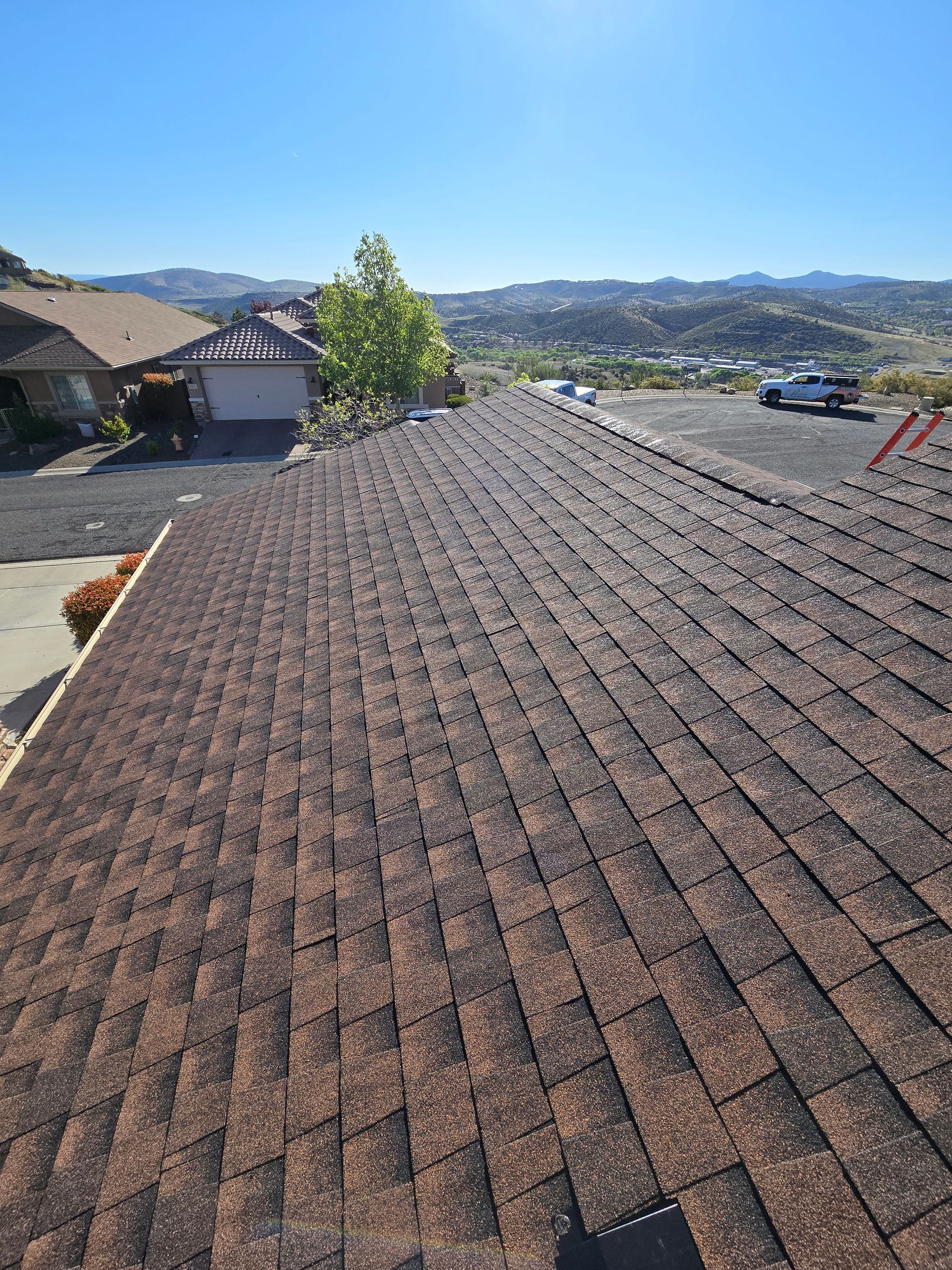
Asphalt shingles are covered with small mineral granules that protect the underlying material from ultraviolet radiation and help the roof resist weathering. Some granule loss is normal, especially shortly after a new roof is installed, but excessive loss can be a sign that the shingles are aging.
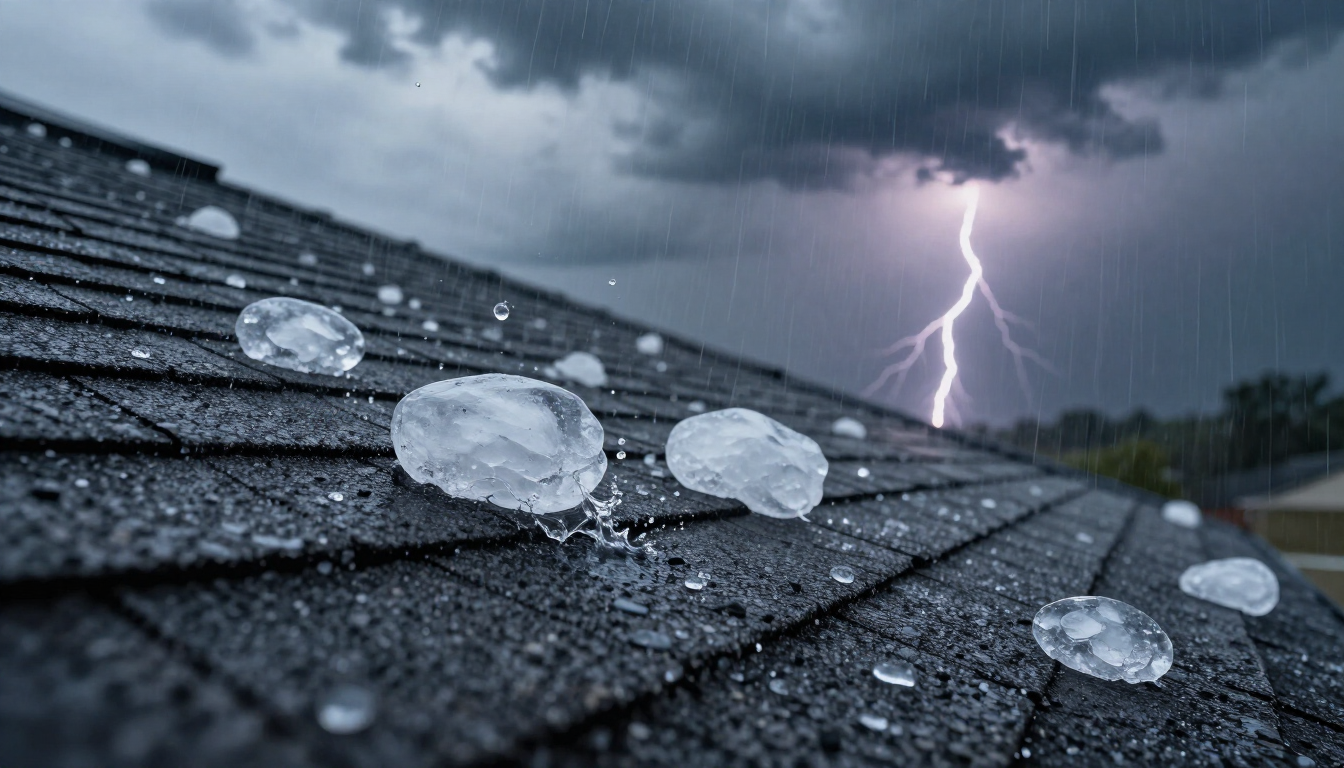
Over time, sunlight, wind, rain, hail and foot traffic can loosen these granules. Homeowners may notice them collecting in gutters or near downspout openings.
As more granules are lost, the asphalt underneath becomes increasingly exposed to the sun. This can cause shingles to dry out, become brittle and deteriorate more quickly. Dark or uneven patches on the roof may also indicate areas where substantial granule loss has occurred.
Cracked, Curled and Missing Shingles
Older shingles may begin to crack, curl at the edges or lift away from the roof. These problems can result from heat exposure, age, improper ventilation, high winds or repeated temperature changes.
Once shingles no longer lie flat, water can move underneath them more easily. Wind may also catch lifted shingles and loosen or remove them entirely. Missing shingles create an obvious weak point where the roofing underlayment becomes more exposed to sunlight and moisture.
A single damaged shingle may be repairable, but widespread cracking and curling can indicate that the roof is approaching the end of its useful service life.
Cracked and Slipped Roof Tiles
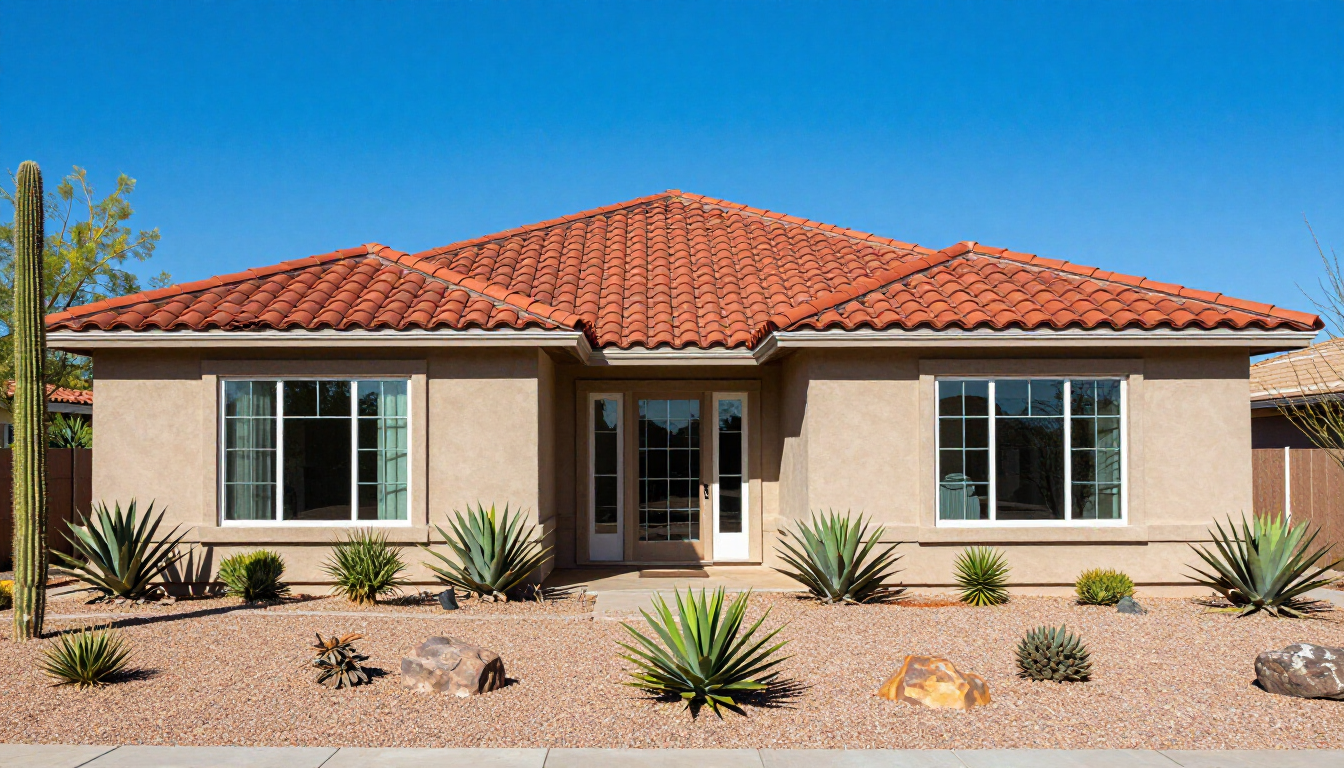
Concrete and clay tile roofs are durable, but the individual tiles can still crack, chip or shift over time. Falling branches, hail, installation damage and people walking on the roof can all break tiles.
Temperature changes can also contribute to cracking. Materials expand during warm weather and contract when temperatures fall. Northern Arizona experiences intense sunlight, freezing winter temperatures and significant day-to-night temperature swings, all of which can place stress on roofing materials.
Cracked or displaced tiles should not be ignored. Tiles are the roof’s first line of defense, and damaged pieces can expose the underlayment beneath them. Even if the roof does not immediately leak, prolonged exposure can shorten the life of the underlying waterproofing system.
Deteriorated Underlayment
The tiles or shingles visible from the ground are only one part of the roofing system. Beneath them is an underlayment that provides an additional barrier against moisture.
Underlayment can dry out, tear, shrink or become brittle with age. On a tile roof, the tiles themselves may remain visually attractive long after the underlayment has begun to deteriorate.
Because underlayment is hidden, problems may not be noticeable until a leak develops. This is one reason periodic roof inspections are valuable, particularly for older roofs or homes with an unknown roofing history.
Rotten Roof Decking and Boards
The roof deck consists of the wood panels or boards that support the roofing materials. When water repeatedly reaches this wood, it can begin to soften, swell, delaminate or rot.
Rotten roof decking may develop because of damaged roofing materials, failed flashing, clogged drainage areas or a leak that was never fully repaired. Poor attic ventilation and condensation can also contribute to moisture problems.
Signs of damaged decking can include sagging areas, soft spots, visible staining in the attic or a roof surface that appears uneven. Rotten boards cannot provide reliable structural support and may need to be replaced when the roofing system is repaired or replaced.
Damaged Flashing and Roof Penetrations
Flashing is installed around chimneys, walls, skylights, vents and other roof transitions to direct water away from vulnerable joints. These areas are common sources of roof leaks because they involve seams and openings in the roofing system.
Over time, flashing can rust, loosen, crack or pull away from adjoining materials. Sealants around roof penetrations can also dry out and separate.
Small flashing failures may allow water to enter slowly. The resulting leak may travel along the roof deck or framing before becoming visible inside the home, meaning the interior stain may not be directly below the damaged area.
Fascia, Soffit and Drainage Problems
Roof deterioration can also affect the fascia and soffit around the edges of the home. Overflowing gutters, damaged drip edges and repeated water exposure can cause these components to rot.
Clogged gutters may allow water to back up beneath roofing materials or spill against exterior wood. During colder weather, trapped moisture can freeze and expand, potentially worsening existing cracks and gaps.
Keeping gutters, valleys and drainage paths clear helps water leave the roof instead of collecting in vulnerable areas.
Sun, Wind and Northern Arizona Weather
Northern Arizona roofs face a wide range of conditions. Strong ultraviolet exposure can dry out asphalt products and sealants, while monsoon winds can loosen shingles, tiles and flashing. Heavy rain can reveal small installation defects or aging areas that remained unnoticed during dry weather.
Snow, ice and freezing temperatures may also affect homes at higher elevations. Repeated freeze-and-thaw cycles can enlarge small cracks and place additional stress on tiles, flashing and other roof components.
Do Not Wait for a Major Leak
A roof can deteriorate for years before water becomes visible inside the home. By the time a ceiling stain appears, moisture may have already affected insulation, decking or framing.
Regular inspections can help identify granule loss, cracked tiles, deteriorated flashing, damaged underlayment and rotten boards before they develop into larger problems. The appropriate solution may involve a small repair, replacement of a damaged section or a complete roof replacement, depending on the roof’s age and overall condition.
True Roofing provides
roof inspections,
repairs
and
replacements for homeowners throughout Chino Valley, Prescott, Prescott Valley and surrounding Northern Arizona communities. An experienced roofer can evaluate the complete roofing system and help you understand which areas need attention.